ServicesHome Purchase Loans
Home Purchase Loans in Putnam, MI
We arrange the mortgage that turns your accepted offer into a closing. We review your file before you shop and compare loan options side by side. We also explain what the appraisal and property requirements mean, so nothing in underwriting catches you off guard.
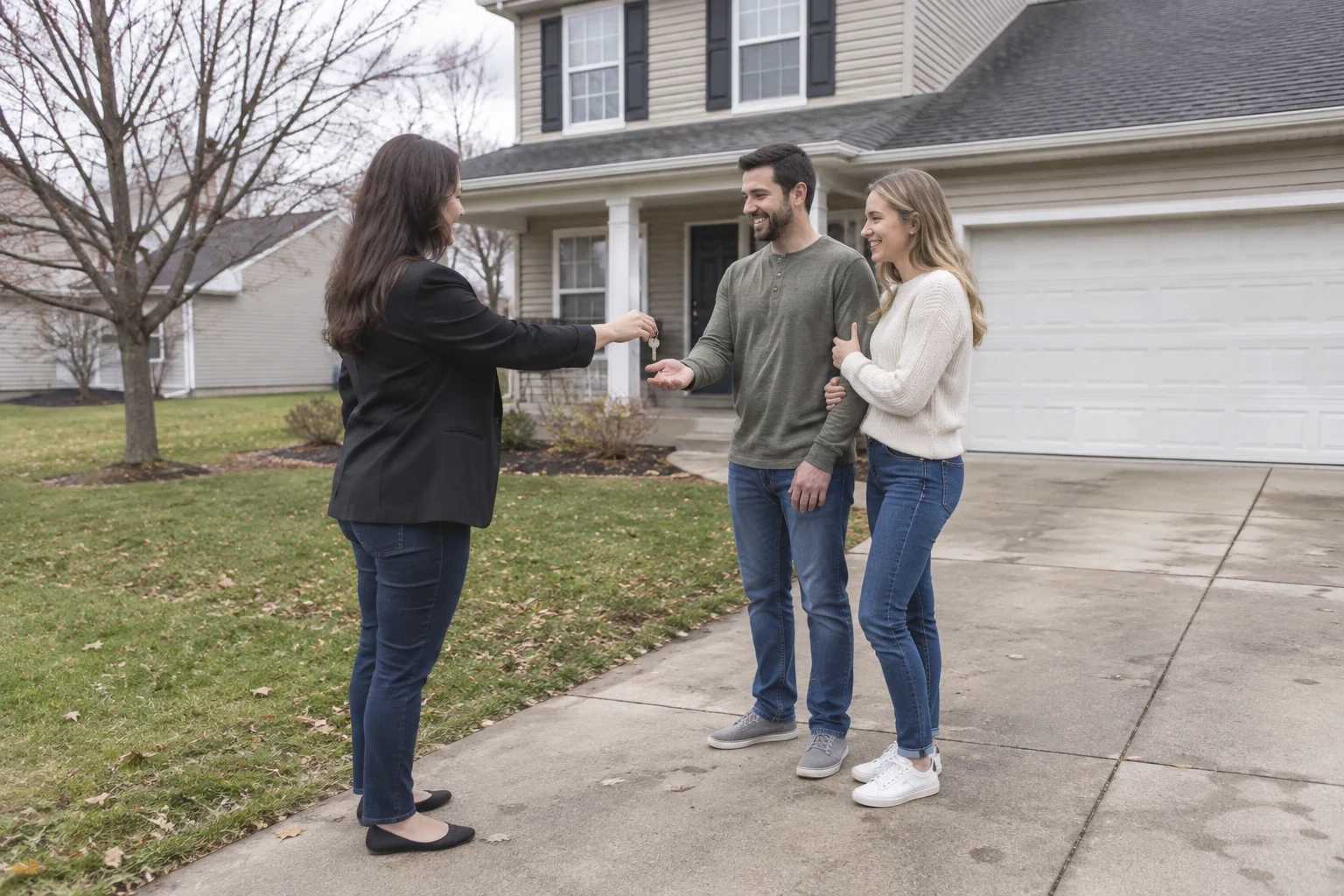
What a purchase loan has to clear before closing
A home purchase loan covers the gap between your down payment and the contract price. Before funds move at closing, three things have to line up: your income and credit file, an appraisal that supports the price, and a property that meets the standards of the loan program you chose.
That third piece is where many purchases stall. Appraisers note whether an addition, finished basement or garage conversion appears to have been permitted, and whether the house is safe and livable as the program defines it. Many properties around Putnam use a private well and septic system, and some lenders and programs ask for water or system testing. We explain these requirements at the start, so you know what an inspection finding means for the loan before you are under contract.
For most buyers we compare a conventional mortgage against other loan options, and we move to jumbo loans when the price is above conforming limits.
Our part in your purchase loan
- Pre-approval built on checked documents
- We review your pay stubs, W-2s or tax returns, bank statements and credit report before issuing a letter. A letter based on checked income carries more weight with sellers than one based on numbers you typed in.
- Side-by-side program comparison
- We list the rate, points, mortgage insurance and closing costs for each program you qualify for. You compare the monthly payment and cash to close on every option, not just the rate.
- Guidance on appraisal and property problems
- We explain what an appraiser reviews and how unpermitted work, missing handrails or peeling paint can turn into loan conditions. If something comes up, we walk you through the choices, from a seller credit to renegotiating.
- Tracking underwriting conditions
- Underwriters often ask for a letter explaining a deposit or a job change. We tell you exactly which document answers each condition and why the underwriter wants it.
- Closing coordination and E-Sign Technology
- We coordinate dates and numbers with the title company, the seller's side and your insurance agent. With E-Sign Technology, many disclosures can be signed from wherever you are.
When to get your purchase loan started
House tours are about to begin
Most sellers expect a pre-approval letter with an offer. Having one early also shows the price range that keeps your payment comfortable.
You earn more than a base salary
Commission, bonus, overtime and self-employment income get averaged, typically across two years. Knowing how the underwriter will count it keeps your offer grounded.
The listing includes an addition or finished basement
When permit records are unclear, the appraiser may value that space lower or call it out. Better to learn this before you settle on an offer price.
Your down payment comes from a gift or a sale
Gifted money needs a signed gift letter and a paper trail. Money from selling your current home must first be documented through that closing.
The steps of a purchase loan, from first call to keys
- 1
Initial conversation
By phone, by video or at our office, we go over your income, savings, debts and the price range you have in mind. You leave knowing which programs fit and which documents to send.
- 2
Pre-approval and an accepted offer
We review your file and issue a pre-approval letter. Once your offer is accepted, you receive a Loan Estimate and choose when to lock your rate.
- 3
Appraisal, inspection and underwriting
The appraiser sets a value and notes the home's condition, and your inspector reports on its systems. Underwriting reviews both along with your file and issues any conditions, which we take you through one by one.
- 4
Clear to close and signing day
You get your Closing Disclosure three or more business days before signing, so you can compare it with the Loan Estimate. Once you sign, funds are wired and the deed is recorded.

What drives the price of a purchase loan
Your rate and closing costs are set by your file and the home itself, not a posted price. We show how each factor below shifts your numbers, so you can choose where a trade-off is worth it.
- Score and down payment
- A stronger score and more money down generally bring the rate down. On a conventional loan with under 20 percent down, they also shift what mortgage insurance costs.
- Program and loan size
- Amounts over the conforming limit are priced as jumbo loans and frequently come with tougher reserve and documentation rules.
- Points and lock length
- A longer lock shields you if closing runs slow, though it may cost more. Points bring the rate down in return for more cash at closing.
- Type of property and reports it needs
- Condos, multi-unit homes and rural properties may bring extra appraisal fees, project reviews or well and septic testing.
- Prepaids and your closing date
- At closing, property taxes, home insurance and daily interest are collected based on the date you pick. Changing the date changes the cash you need.
Common questions about purchase loans
Something not covered here? (734) 875-9124
How long does a pre-approval last?
That hinges on how old your credit report and documents are, often about 90 days. Pay stubs and bank statements go stale faster. If your search drags on, we refresh the file instead of starting from scratch.
What if the appraisal is lower than the price?
The loan is based on whichever is lower, the price or the appraised value. You can ask the seller to drop the price, cover the difference with extra cash, or ask for a reconsideration if a comparable sale was overlooked. We help you sort through those choices before any contract deadline.
Can unpermitted work block my loan?
Not necessarily. Often the appraiser just assigns less value to unpermitted space. It turns into a problem when the work creates a safety concern or the program says it must be corrected before closing. Then the seller may have to resolve it or get a permit first.
What down payment should I plan for?
Certain conventional programs let qualifying buyers put down as little as 3 percent, and jumbo loans often need more. With a conventional loan, under 20 percent down generally brings mortgage insurance. We show the payment at several down payment amounts.
Is remote signing possible at closing?
Our E-Sign Technology lets you sign many disclosures electronically. A few closing documents, like the note and mortgage, may still need to be signed before a notary. We confirm what your loan requires well ahead of closing.

Know what you can borrow before you write an offer
A short conversation tells you your price range, the documents to gather and which loan options fit your situation. From there we can start your mortgage pre-approval.